About
A photograph is not a listing.
You have one good picture of the thing you are selling. The shop wants a square, the feed wants a different square, the story wants a tall one, the ad wants a wide one — and all four are meant to look like they came from the same afternoon. This turns the one into the four.
The idea
Photograph the product on whatever surface is free — a kitchen table, a windowsill, the floor. Upload it. The machine finds the outline of the product, cuts it out, builds a clean background behind it with light and a shadow that falls the right way, and hands back four files, each already the shape and the size the place it is going asks for.
One thing it will not do, ever, is repaint your product. The background is invented; the product is not. What comes back is your own pixels, down to the small print on the label, standing in a room that was built around them. That is the whole distinction this service is built on — and it is also why the thing you photographed has to be really there, and really in focus.
One upload, one charge: 10 tokens for the whole set, not per picture. No subscription. Your original is deleted after 7 days, and whatever format your photograph is in, it is prepared — and stripped of its location and camera data — in your own browser, before anything is sent anywhere.
One photo in, four files out
The first photograph is a freely licensed stock shot. Everything after it was made by this machine from that one file.
What you send any shape
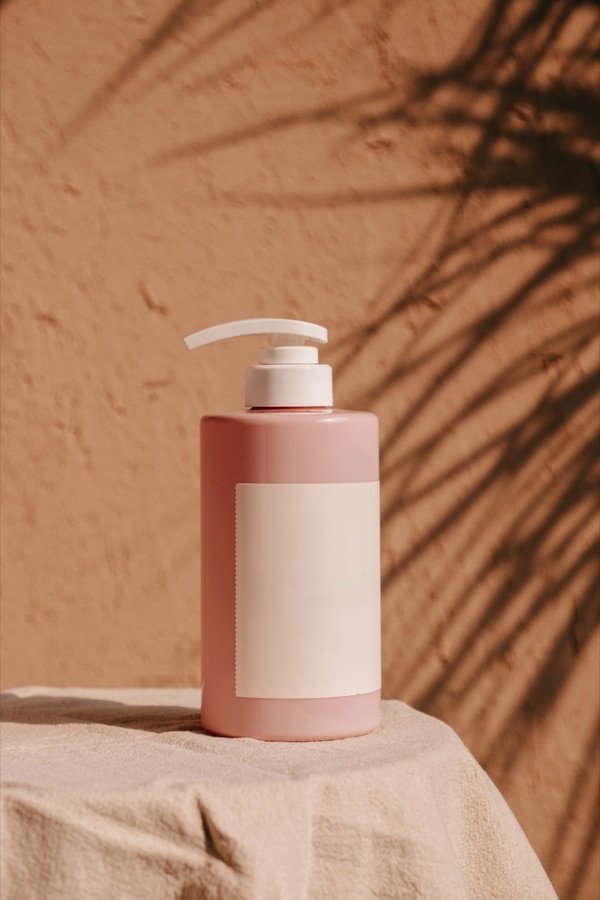
-
Shop listing 2000 × 2000
The picture a buyer opens first, big enough to zoom into.
-
Feed post 1080 × 1080
The square a follower scrolls past in half a second.
-
Story 1080 × 1920
Full screen, held in one hand, gone in five seconds.
-
Banner and ads 1200 × 628
A paid slot on somebody else's page, wide and short.
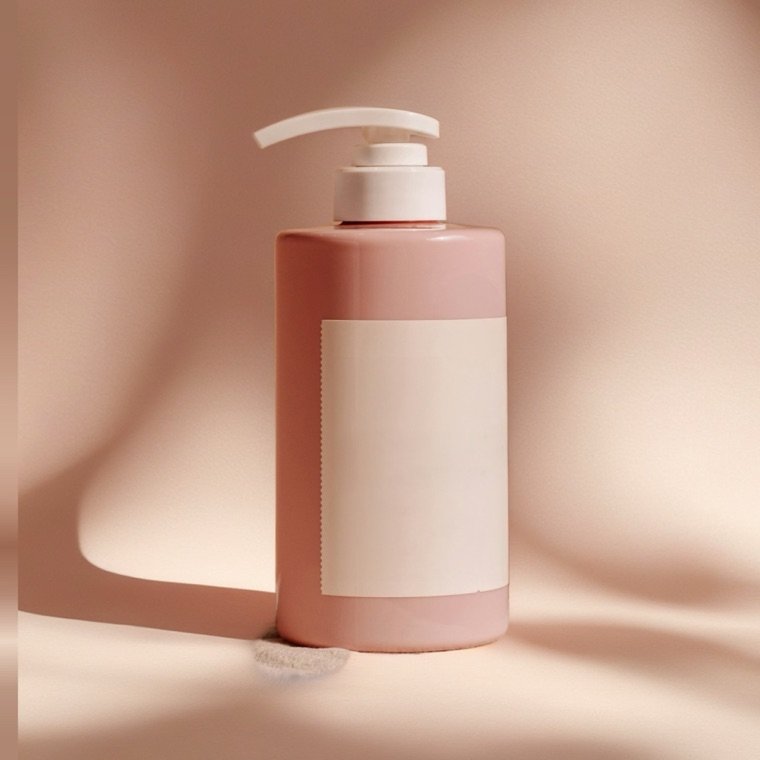
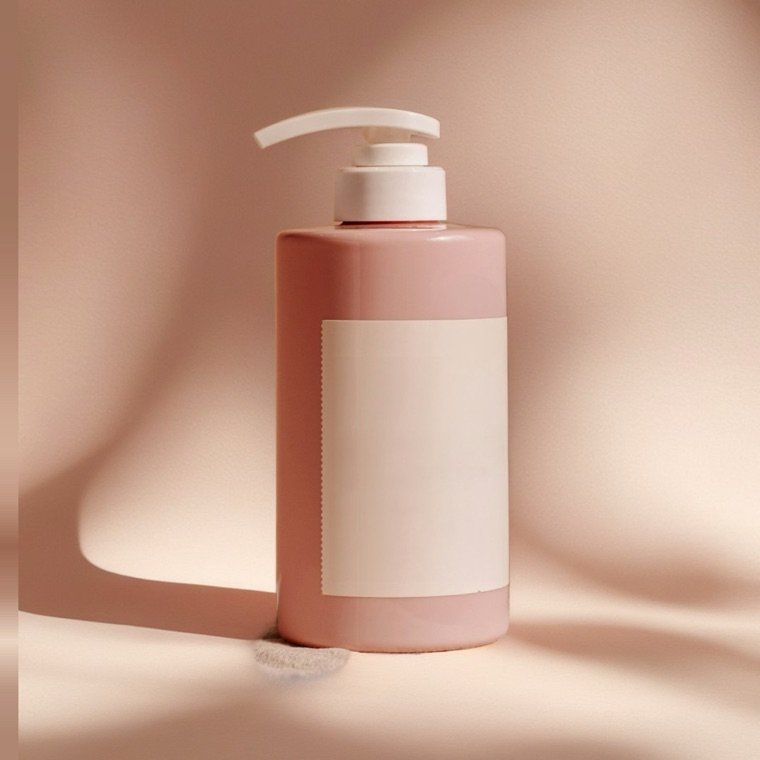
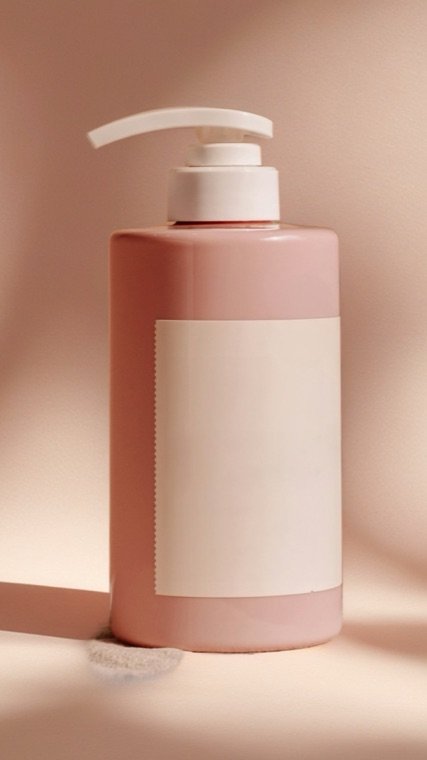
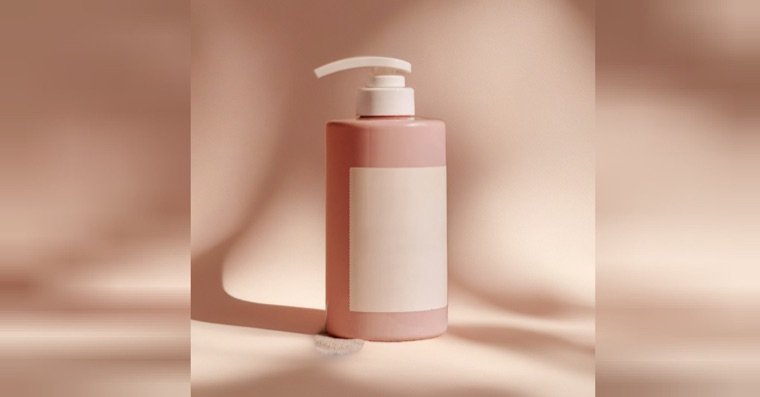
The product is the same pixels in all four — only the room around it was built, and then cut to the shape each place asks for.
On three other things
A bare table, a white void, a wooden table by a window — three photographs taken three different ways. What comes back is the same room every time, which is the point: a catalogue that finally matches itself.
-
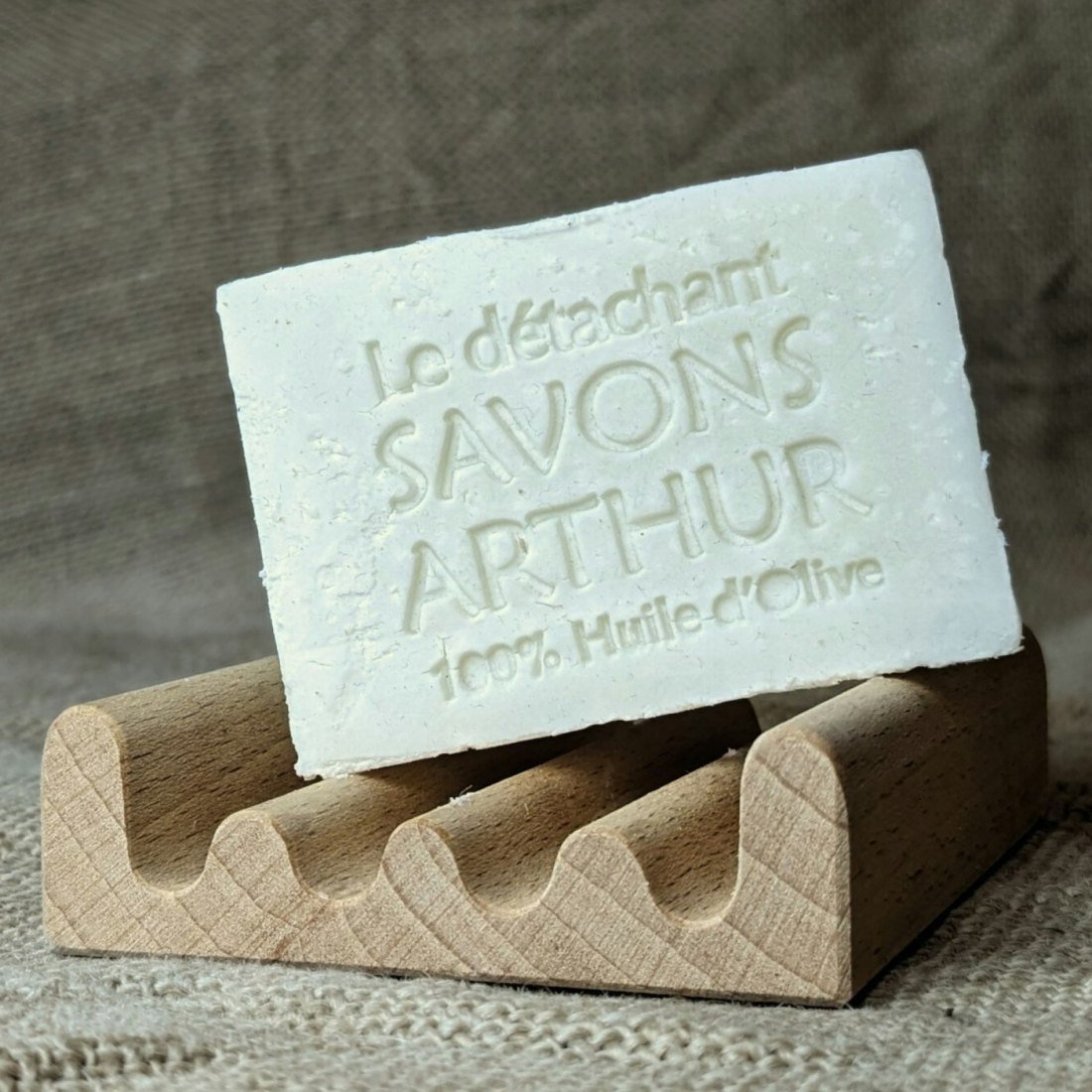
Before 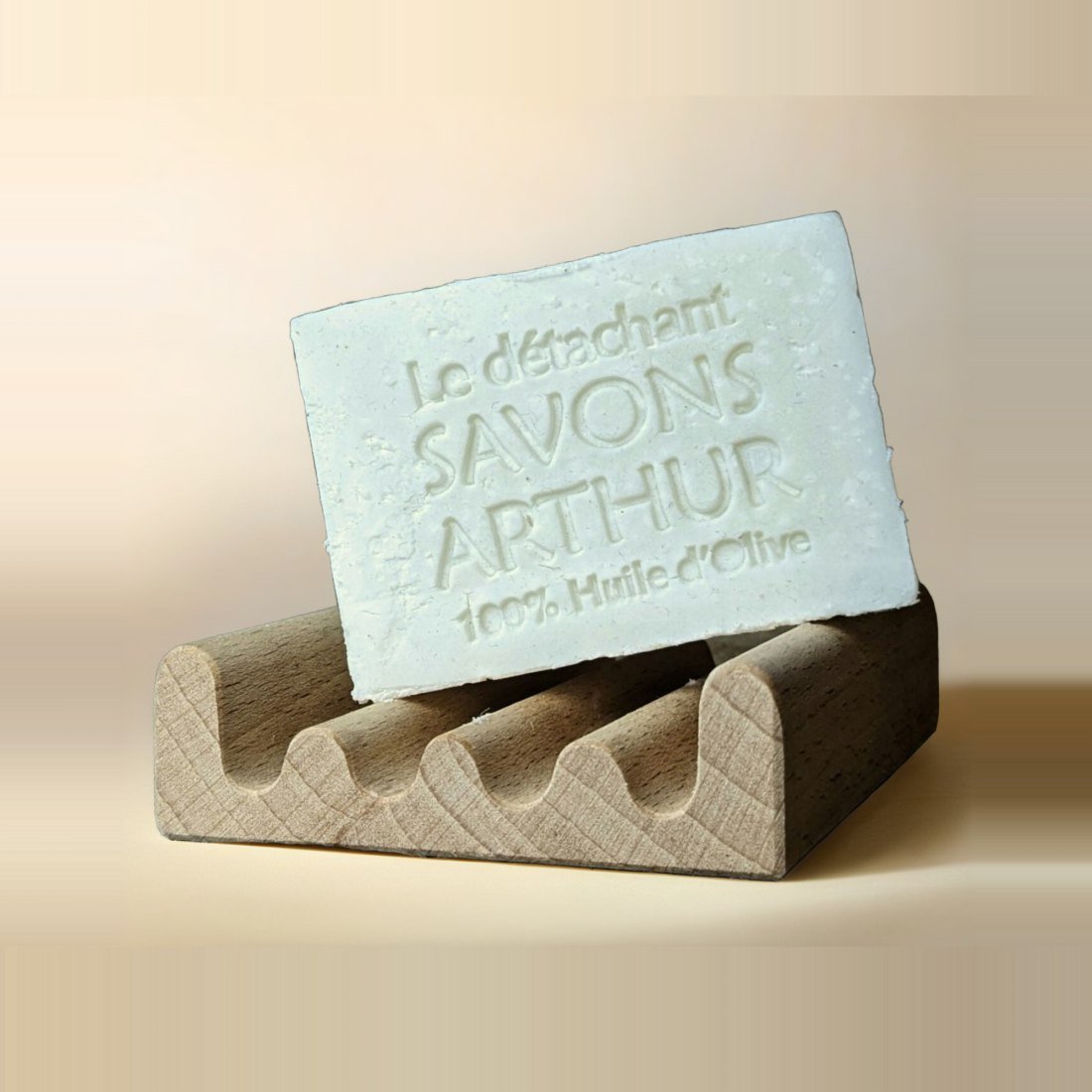
After Beige on beige, nothing to lift the bar off the cloth
The stamped lettering came back letter for letter.
-
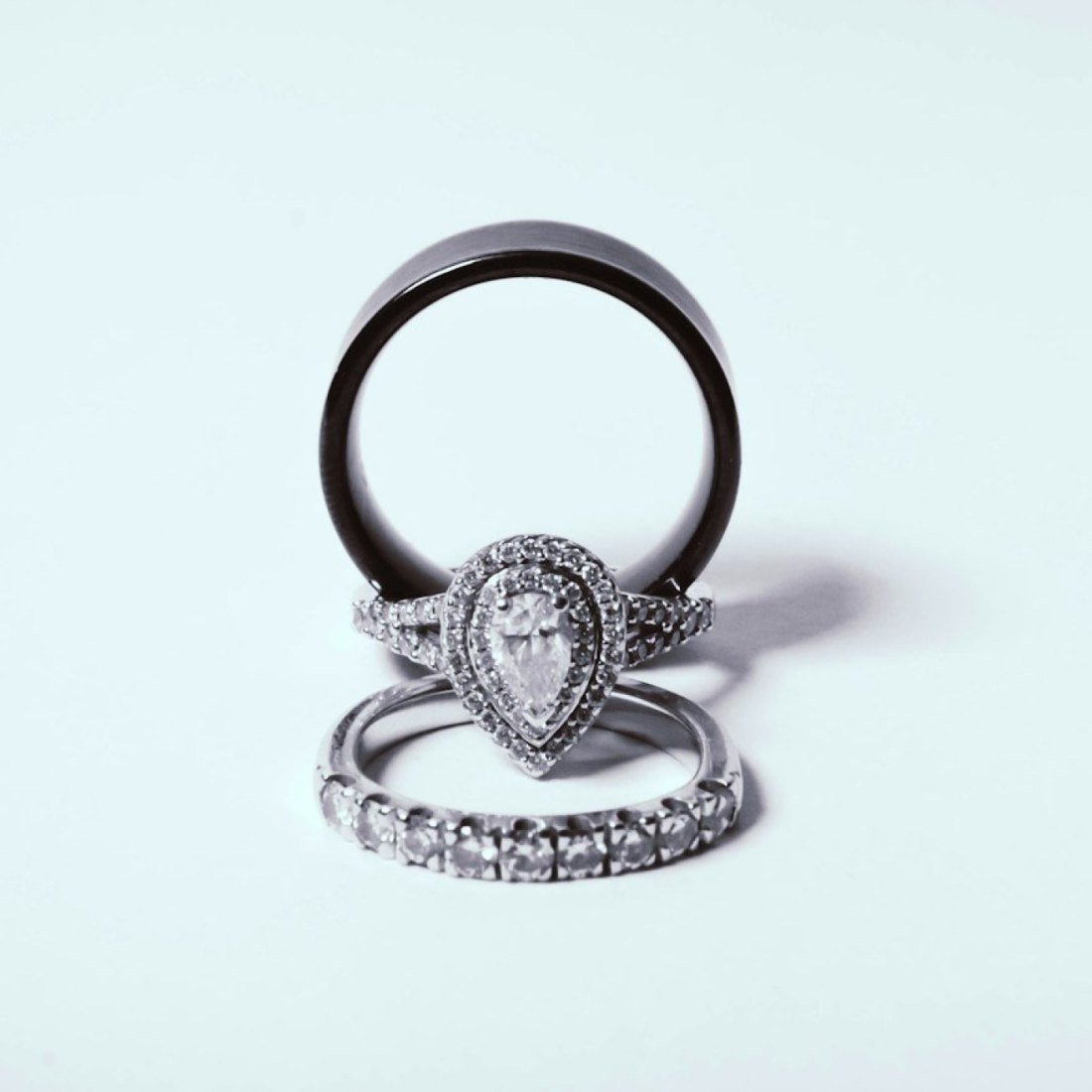
Before 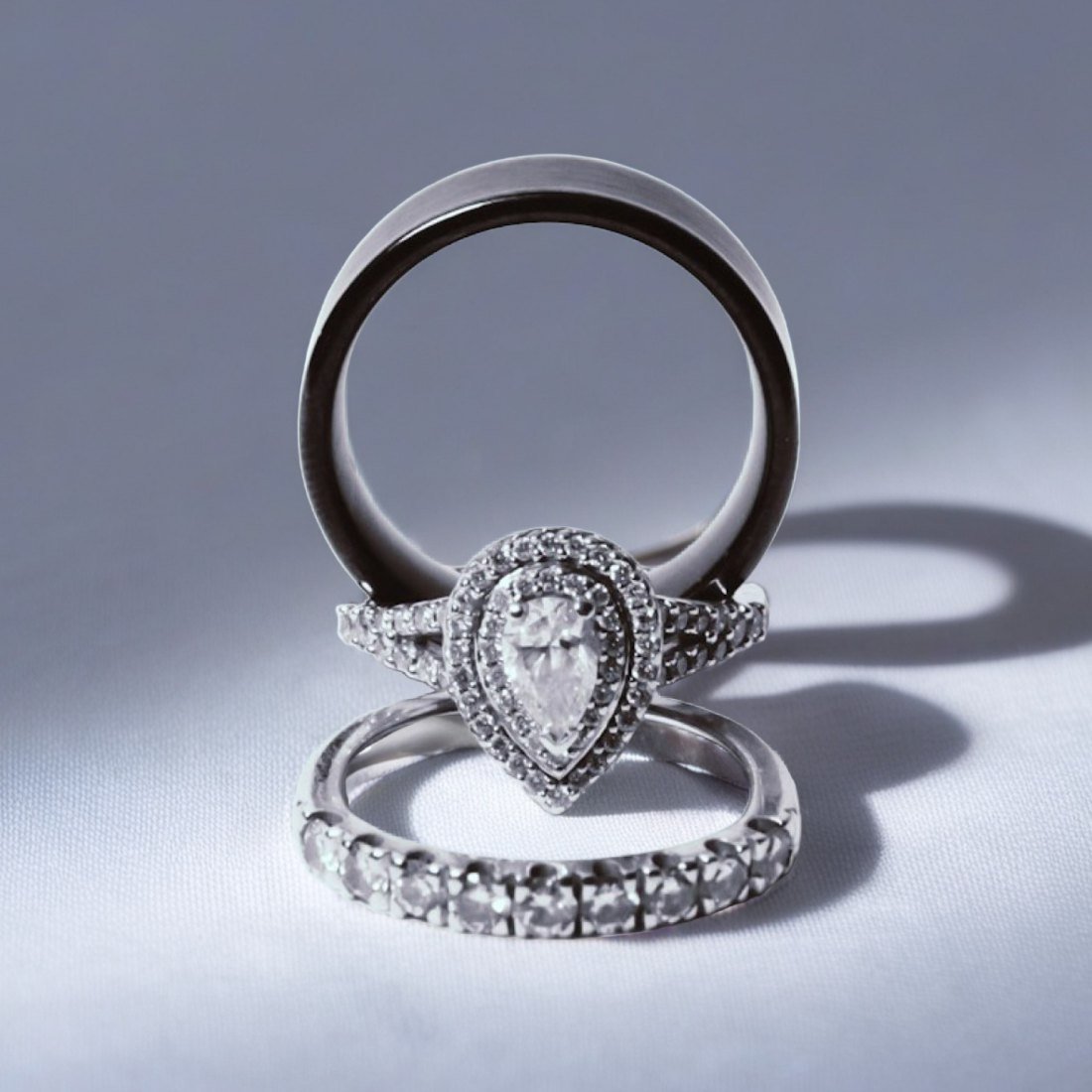
After A cold, bare tabletop and one hard shadow
The open band stayed open — the new room shows through it — and every stone came back where it was.
-
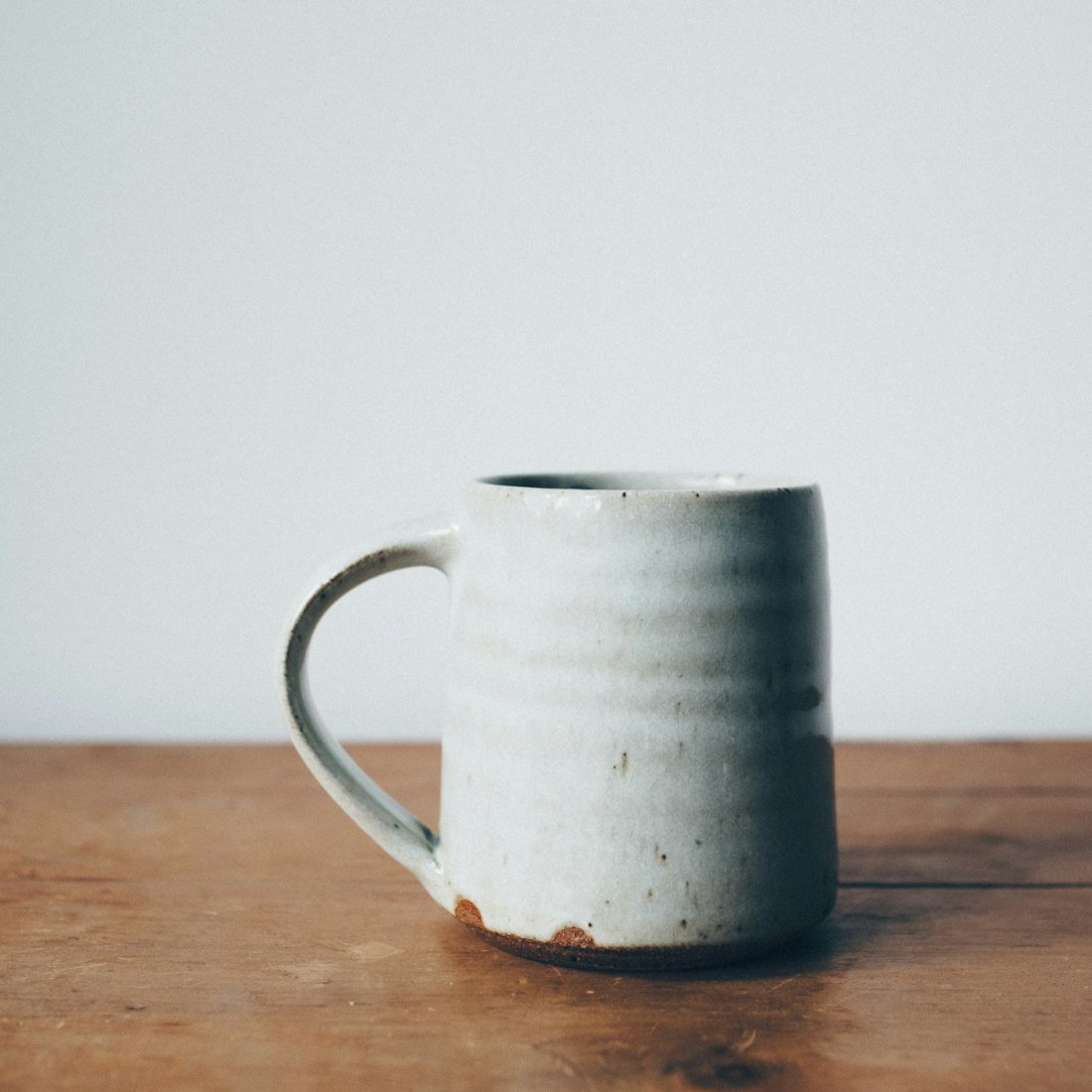
Before 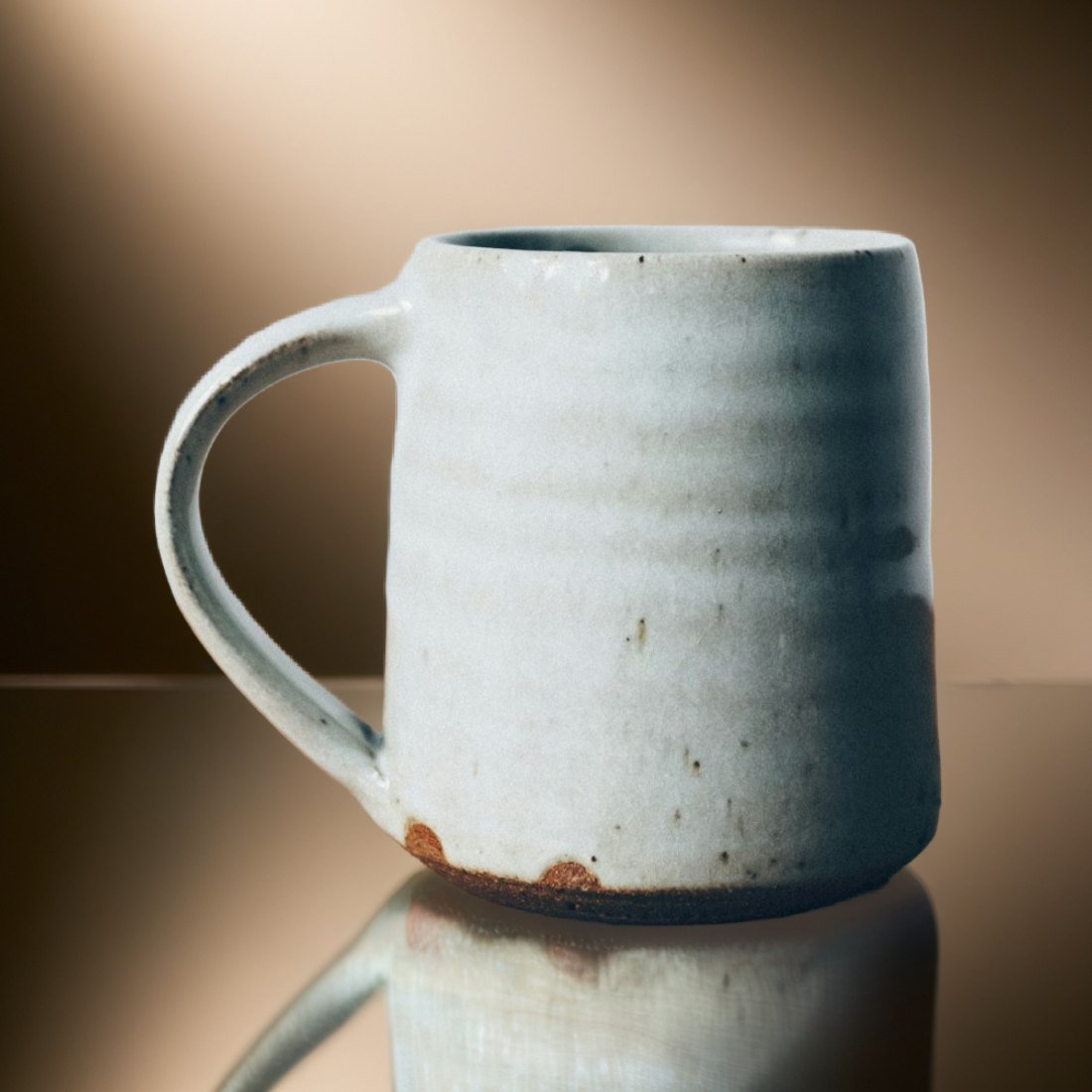
After A wooden table, a bare wall, light from a window
The raw clay foot and the drips in the glaze came back exactly as they were.
Who this is for
Not photographers. Six kinds of seller who keep losing the afternoon to pictures of what they sell.
-
You sell on a marketplace
Etsy, eBay, Amazon, Vinted, a local board. The listing that sells is the one that looks like a shop — and yours currently looks like a phone photograph on a table, because it is one.
-
You make what you sell
Pottery, candles, soap, jewellery. The making is the part you love; photographing it well is a second trade nobody asked you to learn.
-
You add products faster than you can shoot them
A small brand with a new item every week cannot book a studio every week. The pictures end up being whatever was possible on the day, and the catalogue shows it.
-
You resell, and the stock is not yours to style
Boxes, tins, jars, bottles — photographed wherever there was room. The background is replaced anyway, so the room does not have to be tidy.
-
Your catalogue does not match itself
Shot over months, in different rooms, in different light. Each picture is fine on its own; side by side on one page they look like five different shops.
-
You need the same product in four places
The shop, the feed, the story, the ad. Cropping one square into a tall frame cuts the product in half; making four by hand is an evening in an image editor you would rather not learn.
And who it is not for
Said here rather than after you have paid, which is the wrong moment to find out.
Bring us
- One object, filling most of the frame
- Matte surfaces — ceramic, paper, cloth, plastic, tin
- Labels and small print, which come back unaltered
- A phone photograph, held in the hand, in daylight
Look elsewhere
- Glass and anything you can see through
- Mirrored metal and high polish
- Fur, feathers, mesh, loose hair — hard edges to cut
- Several products in one shot
- Anything that needs the product itself retouched
The last one is not a limitation we intend to lift. Retouching the product means changing what the buyer is being shown, and that is the one thing this service refuses to do.
Where this stands today
Openly: the service is new and has no customers yet. Every before-and-after on this site was made by the machine from a freely licensed stock photograph, not from a customer's — because there are none to borrow from, and inventing a testimonial is exactly the kind of thing we are asking you to trust us not to do.
The first product is free once your email is confirmed. That is deliberate: the honest way to find out whether this works on the things you sell is to run one of them through it, which takes about half a minute.